
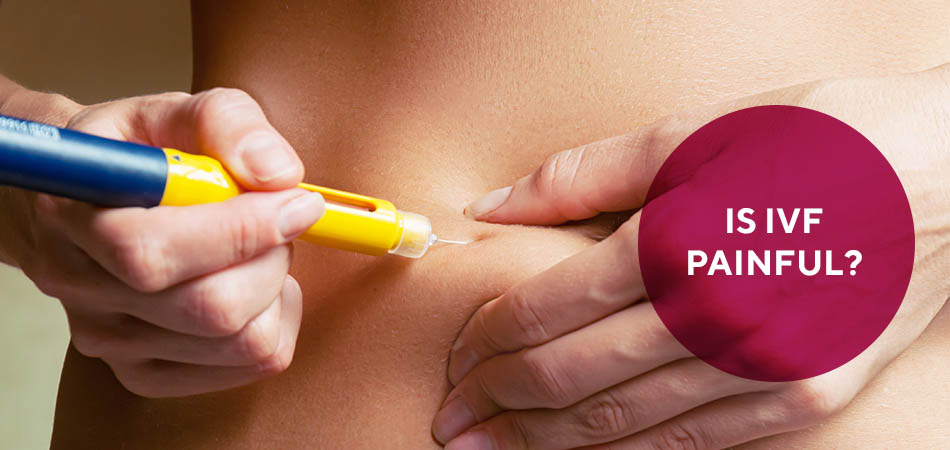
One of the most common concerns couples have before starting fertility treatment is:
“Is IVF painful?”
The honest and reassuring answer is—IVF is usually not painful. While some stages may cause mild discomfort or temporary body changes, modern IVF techniques are designed to be safe, controlled, and well-tolerated.
Understanding what IVF actually feels like—step by step—can reduce fear and help you approach treatment with confidence and clarity.
Frequently Asked Questions
Q: Is IVF painful for women?
IVF is generally not painful. Some steps may cause mild discomfort, but procedures like egg retrieval are done under anesthesia, and most women recover quickly.
Q: Is egg retrieval painful?
No. Egg retrieval is performed under short anesthesia or sedation, so pain is not felt during the procedure. Mild cramps or bloating afterward are common and temporary.
Q: Is embryo transfer painful?
Embryo transfer is usually painless and similar to a routine gynecological exam.
Understanding Pain and Discomfort During IVF
IVF (In Vitro Fertilization) involves multiple stages, and each step feels different. Knowing what to expect helps reduce anxiety and emotional stress.
1️⃣ Hormonal Injections: What Do They Feel Like?
During IVF, hormonal injections are used to stimulate the ovaries to produce multiple eggs.
Common sensations include:
- Mild stinging or redness at the injection site
- Abdominal bloating or heaviness
- Fatigue or mood changes
These symptoms are due to hormonal shifts—not pain—and are usually manageable with rest and reassurance.
2️⃣ Egg Retrieval: The Step Many Women Fear Most
Egg retrieval often causes the most anxiety, but medically, it is not painful.
✔ Performed under short anesthesia or sedation
✔ You do not feel the procedure itself
After the procedure, you may notice:
- Mild lower abdominal cramps
- Light spotting
- Bloating for 1–2 days
Most women resume normal activities within 24 hours.
3️⃣ Embryo Transfer: Simple and Gentle
Embryo transfer is one of the easiest steps in IVF.
- No anesthesia required
- Feels similar to a Pap smear
- Mild pressure may be felt, but pain is uncommon
Many women are surprised by how quick and comfortable this step is.
Emotional Stress vs Physical Pain in IVF
For many couples, IVF is emotionally more challenging than physically painful.
Waiting periods, fear of outcomes, financial concerns, and hormonal changes can create emotional strain. This is where fertility counseling plays a valuable role—helping couples feel supported, informed, and less alone during treatment.
When Pain Is Not Normal: Warning Signs to Watch For
Severe pain is not expected during IVF. Contact your fertility clinic immediately if you experience:
- Severe or worsening abdominal pain
- Heavy vaginal bleeding
- Fever or chills
- Breathing difficulty
- Sudden weight gain or significant swelling
These may indicate ovarian hyperstimulation syndrome (OHSS) or another medical issue that requires prompt care.
Final Thoughts: Is IVF Really Painful?
IVF involves temporary discomfort, not severe pain. With modern medications, gentle techniques, and proper monitoring, the process is safe and manageable. Many women later say IVF was far less difficult than they had feared.
Understanding the process reduces anxiety—and emotional readiness makes a meaningful difference.
A Gentle Next Step
If fear of pain or emotional stress is holding you back from considering IVF, speaking with a fertility counselor can help you understand the process calmly—without pressure to start treatment.
A consultation is simply a space to ask questions, clear doubts, and feel emotionally prepared before making any decisions. Visit www.thefertility.in
Explore More Resources
- 👉 Fertility FAQ: Common Questions About IVF, Pain, Recovery, and Emotional Support
- 👉 Next Blog: Is There a Magic Food for IVF Success? What Diet Really Matters Before IVF
Key Takeaway
IVF is not as painful as many imagine. With the right information, emotional support, and medical guidance, most couples find the experience manageable—and far less intimidating than expected.