
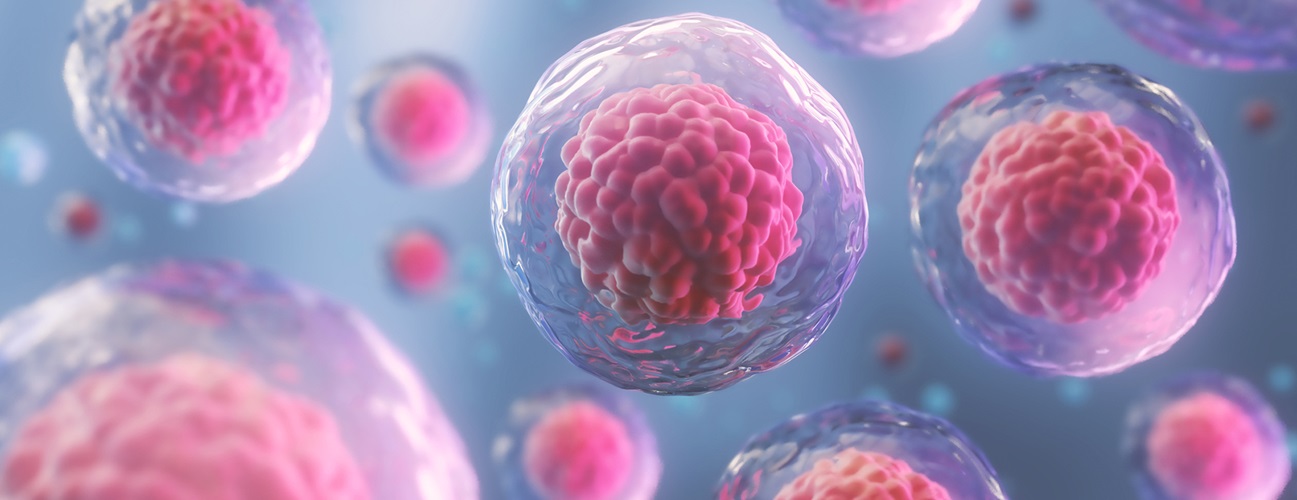
Advances in fertility treatment have made it possible to plan pregnancy with greater flexibility and confidence. Embryo freezing, also known as embryo cryopreservation, is a well-established technique used in modern IVF that allows couples to safely store fertilized embryos for future use.
For many individuals and couples, embryo freezing offers hope, choice, and improved pregnancy outcomes, especially when timing, health, or medical treatments affect family planning.
Embryo Freezing (Frequently Asked Questions)
Q: What is embryo freezing in IVF?
Embryo freezing is the process of preserving fertilized embryos at very low temperatures so they can be used for pregnancy at a later time.
Q: Is embryo freezing safe for the baby?
Yes. Research shows no increased risk of birth defects. Babies born from frozen embryos are as healthy as those conceived naturally.
Q: Are frozen embryo transfers successful?
Yes. Frozen embryo transfer (FET) success rates are equal to—or sometimes higher than—fresh embryo transfers.
What Is Embryo Freezing?
Embryo freezing is a step-by-step process carried out during IVF:
- Eggs are collected from the ovaries
- Eggs are fertilized with sperm in the IVF laboratory
- Healthy embryos are formed
- These embryos are frozen and stored safely
The embryos are preserved in liquid nitrogen at –196°C, where all biological activity stops, allowing long-term storage without damage.
Why Is Embryo Freezing Recommended?
Embryo freezing is used in several fertility situations to improve safety, success, and flexibility.
1️⃣ Extra Embryos After IVF
Often, more than one good-quality embryo develops during IVF. Instead of discarding them, embryos can be frozen for future attempts.
2️⃣ Avoiding Repeated Egg Retrieval
If a fresh IVF cycle is unsuccessful, frozen embryos can be transferred later without repeating injections or egg collection.
3️⃣ Fertility Preservation Before Medical Treatment
Embryo freezing is recommended for women facing:
- Cancer treatment (chemotherapy or radiation)
- Surgery affecting ovarian function
Preserving embryos before treatment protects future fertility.
4️⃣ Delaying Pregnancy for Personal Reasons
Some couples choose to:
- Focus on career or education
- Improve physical or emotional health
- Wait for the right time
Frozen embryos allow pregnancy planning without losing fertility potential.
5️⃣ Reducing Risk of OHSS
In women at risk of Ovarian Hyperstimulation Syndrome (OHSS), doctors may freeze all embryos and transfer them later in a safer cycle.
How Are Embryos Frozen?
Modern IVF labs use a highly effective technique called vitrification.
- Rapid freezing method
- Prevents ice crystal formation
- Maintains excellent embryo survival after thawing
With advanced lab standards, embryo survival rates after thawing are very high.
How Long Can Embryos Be Frozen?
Embryos can be safely frozen for many years without loss of quality.
Successful pregnancies have been reported even after long-term storage.
What Is Frozen Embryo Transfer (FET)?
When you are ready to attempt pregnancy:
- The uterus is prepared with medication
- The frozen embryo is carefully thawed
- A healthy embryo is transferred into the uterus
This process is called Frozen Embryo Transfer (FET).
FET is simpler and less physically demanding than a full IVF cycle, as egg collection is not required.
Success Rates of Frozen Embryos
With modern vitrification and careful uterine preparation:
- Frozen embryo success rates are equal to or higher than fresh transfers
- The uterus is often in a more natural, hormonally balanced state
This can improve implantation chances.
Is Embryo Freezing Safe?
Yes. Embryo freezing is considered safe and well-studied.
Research shows:
- No increase in birth defects
- Normal growth and development in children
- Comparable outcomes to natural conception
Benefits of Embryo Freezing
✔ Increases overall IVF success rates
✔ Reduces physical and emotional stress
✔ Saves time and cost in future cycles
✔ Allows flexible family planning
✔ Preserves fertility before medical treatment
Who Should Consider Embryo Freezing?
Embryo freezing may be suitable for:
- Couples undergoing IVF
- Women with low ovarian reserve
- Cancer patients
- Couples planning a second child later
- Patients with repeated IVF failures
A fertility specialist can help determine if this option is appropriate for your situation.
A Gentle Next Step
If you are considering IVF or fertility preservation and want to understand whether embryo freezing is right for you, a fertility counseling consultation can help.
This conversation is not about rushing into treatment—it’s about understanding your options, timelines, and emotional readiness, so you can plan with clarity and confidence.
Visit www.TheFertility.in
Explore More Resources
- 👉 Fertility FAQ: Common Questions About IVF, Embryo Freezing, and Fertility Preservation
- 👉 Next Blog: Is There Really a Magic Food for IVF Success? What Diet Truly Matters
Key Takeaway
Embryo freezing is a safe, effective, and empowering way to preserve your chance of pregnancy. It offers flexibility, higher cumulative success, and peace of mind—allowing you to move forward when the time feels right.