
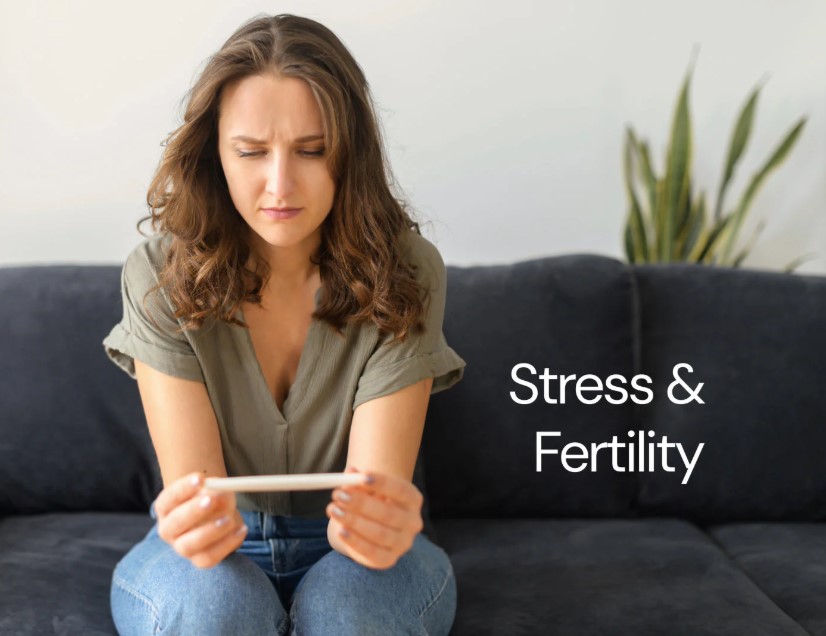
Many individuals and couples trying to conceive quietly wonder:
“Is stress affecting my fertility?”
The clinical answer is yes—chronic stress can influence fertility in both women and men. While everyday stress is a normal part of life, ongoing emotional strain can interfere with the delicate hormonal balance required for ovulation, sperm production, and successful conception.
At TheFertility.in, fertility counseling focuses on understanding this mind–body connection, helping individuals manage stress without blame or pressure.
Frequently Asked Questions
Q: Can stress really affect fertility?
Yes. Chronic stress can disrupt hormones that regulate ovulation and sperm production, making conception more difficult in both women and men.
Q: Can stress stop ovulation?
In some women, high or prolonged stress can delay ovulation or temporarily stop it by interfering with hormonal signals from the brain.
Q: Does stress cause IVF failure?
Stress alone does not cause IVF failure, but managing stress supports better emotional well-being and treatment resilience during fertility care.
How Stress Impacts Fertility: The Science Explained Simply
The brain and reproductive system are closely connected through the hypothalamic–pituitary–ovarian (HPO) axis in women and the hypothalamic–pituitary–testicular (HPT) axis in men.
When the body is under prolonged stress, it releases cortisol and stress hormones. This sends a “survival mode” signal, telling the body that it may not be the safest time to reproduce—leading to hormonal disruptions.
How Stress Affects Female Fertility
Chronic emotional stress may contribute to:
- Irregular or missed menstrual cycles
- Delayed or absent ovulation
- Hormonal imbalance
- Reduced egg quality
- Difficulty with embryo implantation
In some cases, severe stress can temporarily suppress ovulation altogether—even in women with previously regular cycles.
How Stress Affects Male Fertility
Stress does not affect fertility only in women. In men, ongoing stress may lead to:
- Low sperm count
- Poor sperm motility (movement)
- Abnormal sperm shape
- Reduced testosterone levels
Because male fertility is often silent, stress-related changes may go unnoticed without testing.
Stress During IVF and Fertility Treatment
Fertility treatment itself can be emotionally demanding. Common stressors include:
- Fear of treatment failure
- Financial pressure
- Physical side effects of medication
- Waiting periods and uncertainty
It is important to understand that stress does not directly cause IVF failure. However, unmanaged stress can affect sleep, appetite, emotional resilience, and overall treatment experience.
This is why emotional support and counseling during IVF are considered an important part of holistic fertility care.
Ways to Reduce Stress While Trying to Conceive
Small, consistent steps can make a meaningful difference:
✔ Gentle physical activity such as walking, yoga, or stretching
✔ Meditation, mindfulness, or deep-breathing practices
✔ Prioritizing quality sleep
✔ Open emotional communication with your partner
✔ Fertility counseling for emotional support and coping strategies
Managing stress is not about “relaxing perfectly”—it’s about supporting your body and mind together.
A Gentle Next Step
If you feel emotionally overwhelmed, exhausted, or anxious during your fertility journey, it may help to talk to a fertility counselor.
A consultation is not about starting treatment—it’s about understanding how stress, emotions, and fertility interact, and learning ways to support yourself through the process with clarity and compassion.
Explore More Resources
- 👉 Fertility FAQ: Answers to Common Questions About Stress, Hormones, and Conception
- 👉 Next Blog: Is IVF Painful? What the IVF Process Really Feels Like for Couples
Key Takeaway
Stress alone does not define fertility outcomes—but emotional well-being plays a meaningful role in reproductive health. Supporting both the mind and body can make the fertility journey healthier, calmer, and more manageable.