
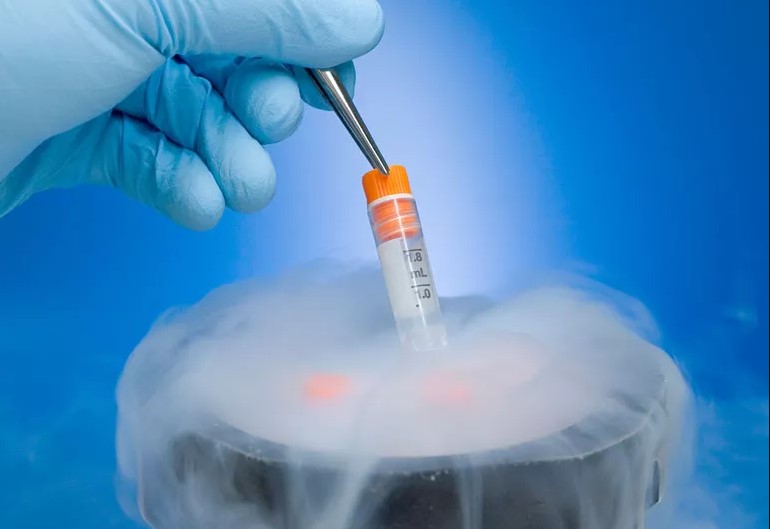
In today’s evolving world, many women are choosing to take charge of their reproductive future. Whether driven by career goals, personal circumstances, medical reasons, or simply the desire for more time, egg freezing (fertility preservation) has become an empowering option.
Egg freezing does not mean delaying motherhood forever—it means keeping options open, with clarity and informed choice.
At TheFertility.in, fertility counseling focuses not just on the medical process, but also on helping women feel emotionally prepared and confident about their decisions.
What Is Egg Freezing?
Egg freezing is a medical process in which a woman’s eggs are collected, frozen, and stored for future use. When she is ready to conceive, these eggs can be thawed, fertilized with sperm, and transferred into the uterus through IVF (In Vitro Fertilization).
The purpose of egg freezing is to preserve healthier eggs at a younger age, before natural age-related decline or medical treatments affect fertility.
Q: What is egg freezing and how does it work?
A: Egg freezing is a fertility preservation technique where a woman’s eggs are retrieved, frozen, and stored for future use. The eggs can later be fertilized through IVF, allowing pregnancy at a later stage of life.
Who Should Consider Egg Freezing?
Egg freezing is not only for women with fertility problems. It can be a proactive choice for many, including:
- Women who are not ready to conceive but want biological children later
- Those with a family history of early menopause
- Women diagnosed with cancer or medical conditions requiring chemotherapy or radiation
- Individuals undergoing gender-affirming treatments
- Women prioritizing career, education, or personal growth
Egg freezing often offers peace of mind, especially when life timelines and biological timelines don’t align.
Why Age Matters in Egg Freezing
A woman’s egg quality and quantity naturally decline with age—more noticeably after 35.
- Younger eggs have better genetic health
- Higher egg quality improves chances of fertilization and healthy pregnancy
- Fewer eggs may be needed when frozen at a younger age
While egg freezing can be done at many reproductive ages, the best success rates are generally seen when eggs are frozen before 35.
Q: What is the best age to freeze eggs?
A: The best age to freeze eggs is usually before 35, when egg quality and quantity are higher. However, fertility evaluation helps determine suitability at any age.
The Egg Freezing Process: Step by Step
The egg freezing process usually takes 2–3 weeks and includes:
1. Fertility Evaluation
Blood tests and ultrasound scans assess ovarian reserve and hormone levels.
2. Ovarian Stimulation
Hormonal injections stimulate the ovaries to produce multiple eggs in one cycle.
3. Monitoring
Regular ultrasounds and blood tests track egg development and safety.
4. Egg Retrieval
A short, painless procedure performed under light sedation.
5. Freezing and Storage
Eggs are frozen using advanced vitrification techniques and stored securely.
Is Egg Freezing Safe?
Yes. Egg freezing is a well-established and safe procedure.
- Modern vitrification has significantly improved egg survival rates after thawing
- Pregnancy outcomes from frozen eggs are comparable to natural conception
- No increased risk of birth defects has been observed in children born from frozen eggs
Q: Is egg freezing safe for future pregnancy?
A: Yes. Egg freezing is considered safe, and studies show no increased risk of birth defects compared to natural conception.
How Many Eggs Should Be Frozen?
The ideal number depends on age and individual fertility health:
- Women under 35: often 10–15 eggs
- Women over 35: may need more eggs or more than one cycle
A personalized plan helps align expectations with medical reality.
Emotional and Financial Considerations
Egg freezing is not just a medical decision—it is an emotional one.
Many women report feeling:
- Relief
- Empowerment
- Reduced pressure around timelines
It’s also important to understand:
- Treatment costs
- Storage fees
- Long-term planning
Fertility counseling helps women reflect on both emotional readiness and practical considerations, without rush or pressure.
Taking Control of Your Fertility—Gently and Thoughtfully
Egg freezing is not a guarantee, but it is a meaningful step toward preserving choice and flexibility. It allows women to make decisions based on readiness—not fear.
If you’re considering egg freezing, even just exploring the idea, a conversation with a fertility counselor can help you:
- Understand your fertility health
- Clarify doubts
- Decide without pressure
Take the Step When You’re Ready
You don’t need to decide everything today.
Sometimes, the first step is simply understanding your options.
Egg freezing is not about postponing life—it’s about preserving choice.
And every choice deserves clarity, compassion, and support.
If you’d like clarity about whether egg freezing is right for you, a calm, informative consultation can help you reflect and plan—at your own pace. Visit www.thefertility.in
Want to Learn More?
- 👉 Explore our FAQ section on fertility, egg freezing, and IVF for common questions
- 👉 Read the next blog: Silent Fertility Problems: Why Pregnancy Can Be Difficult Even with Regular Periods