When you’re planning a pregnancy, diet is not just about overall wellness—it plays a direct and powerful role in fertility. Scientific research consistently shows that what you eat can influence hormone balance, ovulation, egg and sperm quality, and even implantation.
While nutrition alone may not resolve every fertility challenge, a fertility-supportive diet helps create the right internal environment for conception and improves the body’s response to fertility treatments, if and when they are needed.
As a fertility counselor, Dr. Dipali Benake often emphasizes that nourishing the body is one of the most natural and empowering first steps in a fertility journey.
Why Diet Matters for Fertility
Your reproductive system relies on several key factors:
- Balanced reproductive hormones
- Healthy blood circulation to the uterus and ovaries
- Stable blood sugar levels
- Low levels of inflammation and oxidative stress
Poor or inconsistent nutrition may contribute to:
- Hormonal imbalances
- Insulin resistance (commonly associated with PCOS)
- Poor egg or sperm quality
- Irregular or absent ovulation
A fertility-friendly diet helps support:
- Healthier eggs and sperm
- More regular ovulation
- Better implantation conditions
- Reduced inflammation and oxidative damage
Frequently Asked Question
Can diet really improve fertility naturally?
Yes. A balanced fertility diet supports hormone balance, ovulation, egg and sperm quality, and reduces inflammation—all of which are essential for natural conception.
Best Foods to Boost Fertility Naturally
1. Leafy Green Vegetables
Examples: Spinach, kale, broccoli, Swiss chard
Why they help:
- Rich in folate, essential for ovulation and early fetal development
- High in antioxidants that protect eggs and sperm from damage
👉 Aim for 1–2 servings daily.
2. Healthy Fats
Examples: Avocado, olive oil, nuts, seeds
Why they help:
- Support hormone production
- Improve egg and sperm cell membrane quality
- Reduce inflammation
👉 Replace trans fats and fried foods with natural, healthy fats.
3. Antioxidant-Rich Fruits
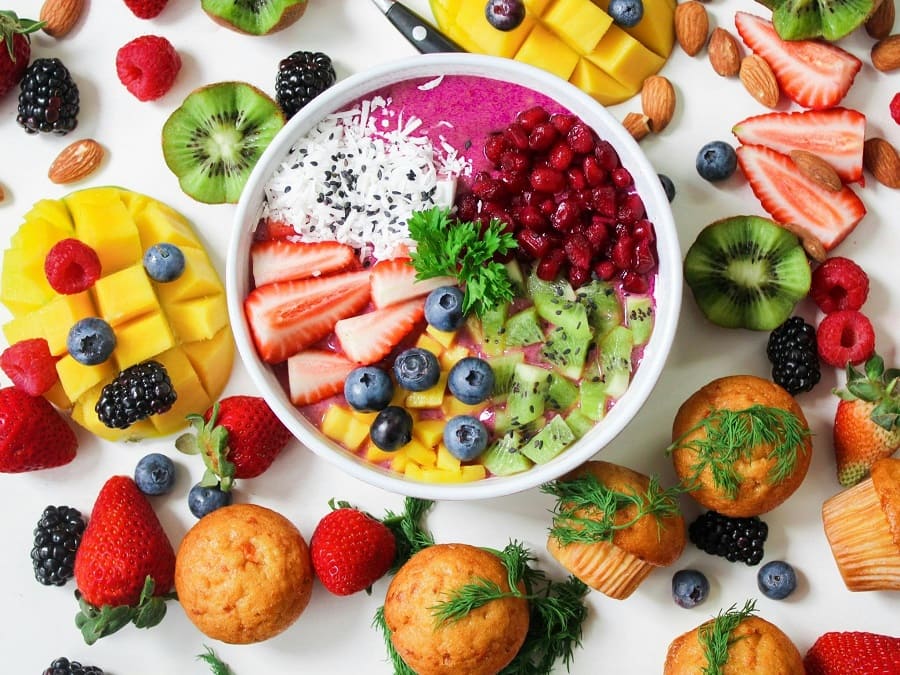
Examples: Berries, oranges, pomegranates
Why they help:
- Protect eggs and sperm from oxidative stress
- Support better egg quality and sperm motility
Including a variety of colorful fruits ensures a wide range of antioxidants.
4. High-Quality Protein Sources
Best options:
- Fatty fish (salmon, sardines)
- Eggs
- Lentils and beans
- Organic poultry
Why they help:
- Support hormone balance
- Omega-3 fatty acids improve ovulation and sperm health
👉 Limit red meat and avoid processed meats for better fertility outcomes.
5. Full-Fat Dairy (In Moderation)
Examples: Whole milk, yogurt, cheese
Why it helps:
- Some studies link full-fat dairy to improved ovulation compared to low-fat versions
- Provides calcium and vitamin D
👉 1–2 servings per day are generally sufficient.
6. Whole Grains
Examples: Oats, quinoa, brown rice
Why they help:
- Stabilize blood sugar levels
- Support hormonal balance
- Especially beneficial for women with PCOS or insulin resistance
Best Fertility-Boosting Foods for Men
Male fertility plays an equally important role in conception. Nutrition can significantly impact sperm count, motility, and quality.
Men should include:
- Zinc-rich foods: Pumpkin seeds, eggs
- Selenium: Brazil nuts
- Omega-3 fatty acids: Fatty fish, walnuts
- Vitamin C: Citrus fruits, amla
These nutrients help protect sperm from oxidative damage and improve overall reproductive health.
Frequently Asked Question
What foods are best for improving egg and sperm quality?
Leafy greens, healthy fats, antioxidant-rich fruits, high-quality proteins, whole grains, and omega-3-rich foods support reproductive health in both men and women.
Foods to Avoid When Trying to Conceive
Certain foods and habits can negatively affect fertility and hormone health:
❌ Processed and fast foods
❌ Sugary drinks and refined sweets
❌ Trans fats and hydrogenated oils
❌ Excess caffeine (limit to one cup per day)
❌ Alcohol and smoking
Reducing or eliminating these can significantly improve hormonal balance—especially for individuals with PCOS or insulin resistance.
Frequently Asked Question
Which foods should be avoided when trying to conceive?
Processed foods, excess sugar, trans fats, alcohol, smoking, and too much caffeine can disrupt hormones and reduce fertility.
A Gentle Reminder from a Fertility Counselor
Fertility nutrition is not about perfection or restriction—it’s about consistency, nourishment, and kindness to your body. Small, sustainable changes in diet can make a meaningful difference over time.
If you’re unsure where to begin, consulting a fertility counselor can help you create a realistic, personalized plan that supports both your physical and emotional well-being.
Dr. Dipali Benake focuses on practical, sustainable guidance on diet plan—helping you make small, meaningful changes without stress or extremes.
🌱 Sometimes, nourishing your body is the first step toward clarity and confidence. Visit www.thefertility.in
Explore More Helpful Resources
- 👉 Have more questions? Visit our Fertility FAQs for clear, expert guidance.
- 👉 Continue reading: Stories of Hope After Fertility Struggles: Clinical Insight, Emotional Healing, and Real Outcomes from Infertility Counseling